

Insurance Claims
Windstorm
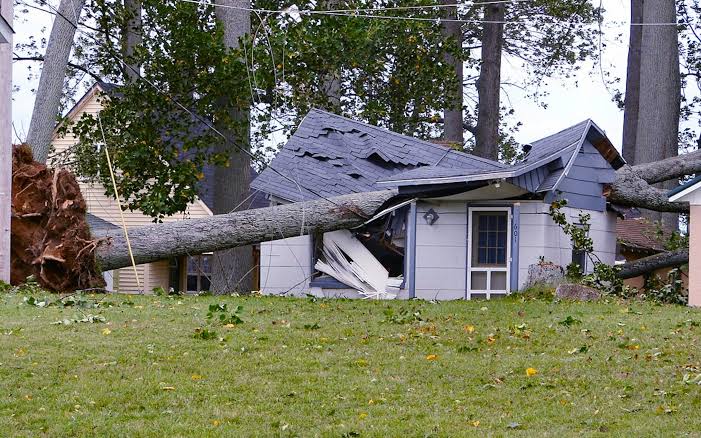
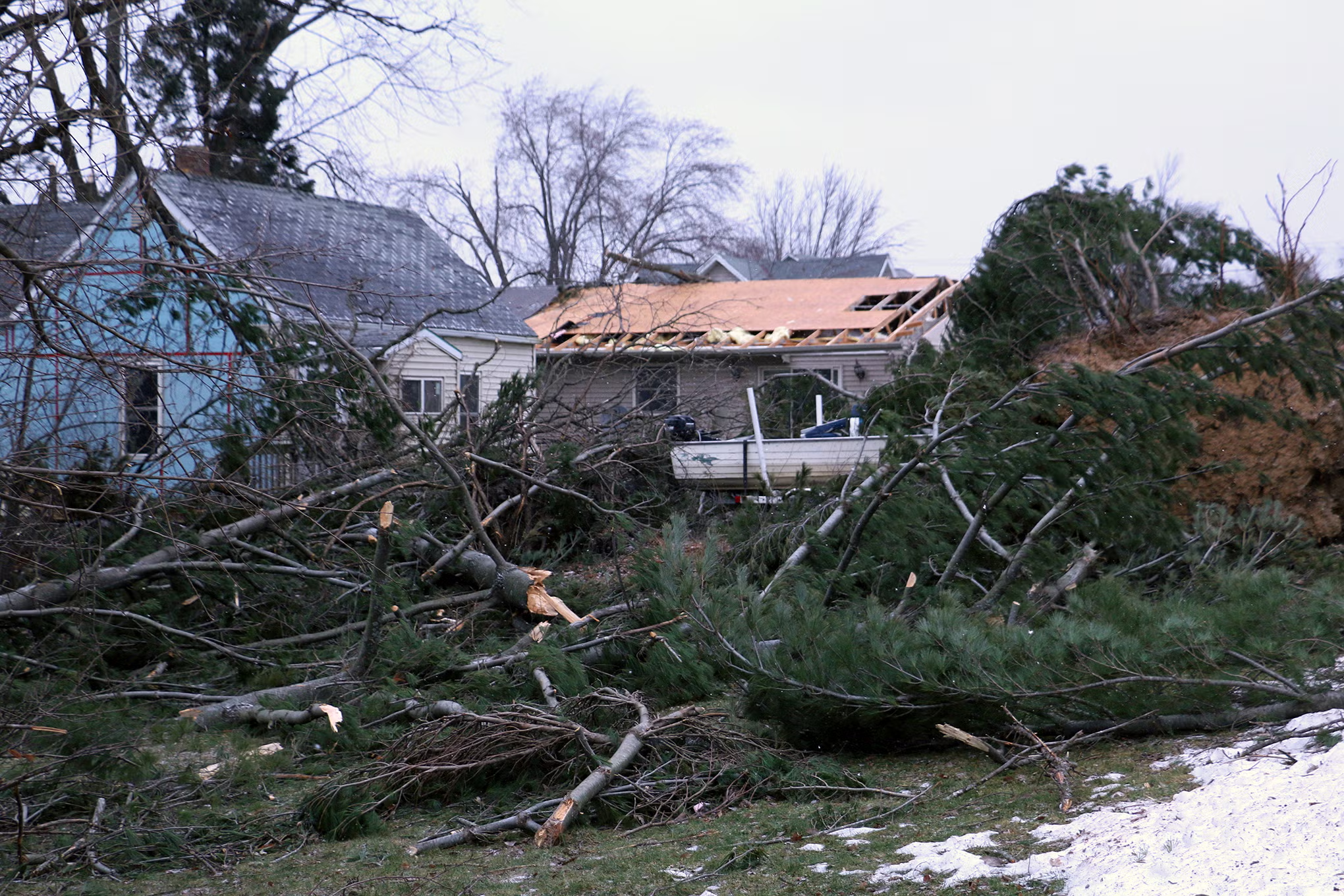
Windstorm damage to roofs, siding, windows, and structures is common and often severe. Insurers frequently dispute whether damage was caused by wind or by pre-existing wear, and may use wind exclusions or separate windstorm deductibles to limit what they pay.



The situation
What typically happens with windstorm claims
When wind causes damage to a property, insurers often dispute the cause, arguing that missing shingles, structural damage, or fence failures resulted from age or lack of maintenance rather than the storm. In coastal and high-risk areas, policies may carry separate windstorm deductibles that significantly reduce the net payout. Policyholders who are unaware of these provisions may find themselves with far less coverage than expected.
The situation
What typically happens with windstorm claims
When wind causes damage to a property, insurers often dispute the cause, arguing that missing shingles, structural damage, or fence failures resulted from age or lack of maintenance rather than the storm. In coastal and high-risk areas, policies may carry separate windstorm deductibles that significantly reduce the net payout. Policyholders who are unaware of these provisions may find themselves with far less coverage than expected.

Common obstacles
Why these claims are often disputed
Insurance companies employ experienced adjusters whose role is to limit payouts. Knowing where disputes typically arise gives policyholders a real advantage.
Insurers may attribute wind damage to wear and tear, improper installation, or pre-existing conditions to avoid paying the claim.
What to know
Insurers may rely on wear, installation, or maintenance explanations instead of the reported wind event. Pre-loss photographs, maintenance records, local wind data, and a building assessment can help establish causation.
Separate wind deductibles can be substantial, particularly in coastal areas, and may be applied in ways that are not clearly disclosed.
What to know
The applicable deductible may depend on how the policy defines windstorm, named storm, or hurricane. Confirm the triggering event, the percentage or dollar basis used, and the insured value against which it was calculated.
An insurer may cover one type of wind-related damage while denying other components of the same loss, leaving the claim incomplete.
What to know
Damage to roofing, siding, windows, interiors, and detached structures may arise from the same wind event. An itemized scope makes it easier to see which related components were accepted, omitted, or denied.


Evaluate the cause of loss determination
We review the insurer's position and the available evidence to identify improper attributions of wind damage to excluded causes.

Document the storm and the damage
We help build a complete record connecting the wind event to the documented roof, siding, window, and structural damage.

Challenge deductibles and exclusions
We communicate with the insurer about improperly applied windstorm deductibles, exclusions, and maintenance arguments.

Pursue full recovery
We negotiate with the insurer and, when necessary, pursue litigation to recover what policyholders are owed.

Questions
Common questions about windstorm claims
These answers are general. Contact us for guidance specific to your situation.
My policy has a windstorm deductible. Does that mean I get less?
.svg)
The insurer says my roof was already damaged before the storm. How do I prove otherwise?
Part of my claim was approved but the damage to my fence and detached garage was denied. Is that right?

Types of claims we handle
Every type of property loss, covered.
We handle every type of covered building and personal property loss that may affect your home or business.


Ready to start the process?
Share the basic details of your situation. The firm will review the information and explain the appropriate next steps.

.png)

