

Insurance Claims
Water Damage
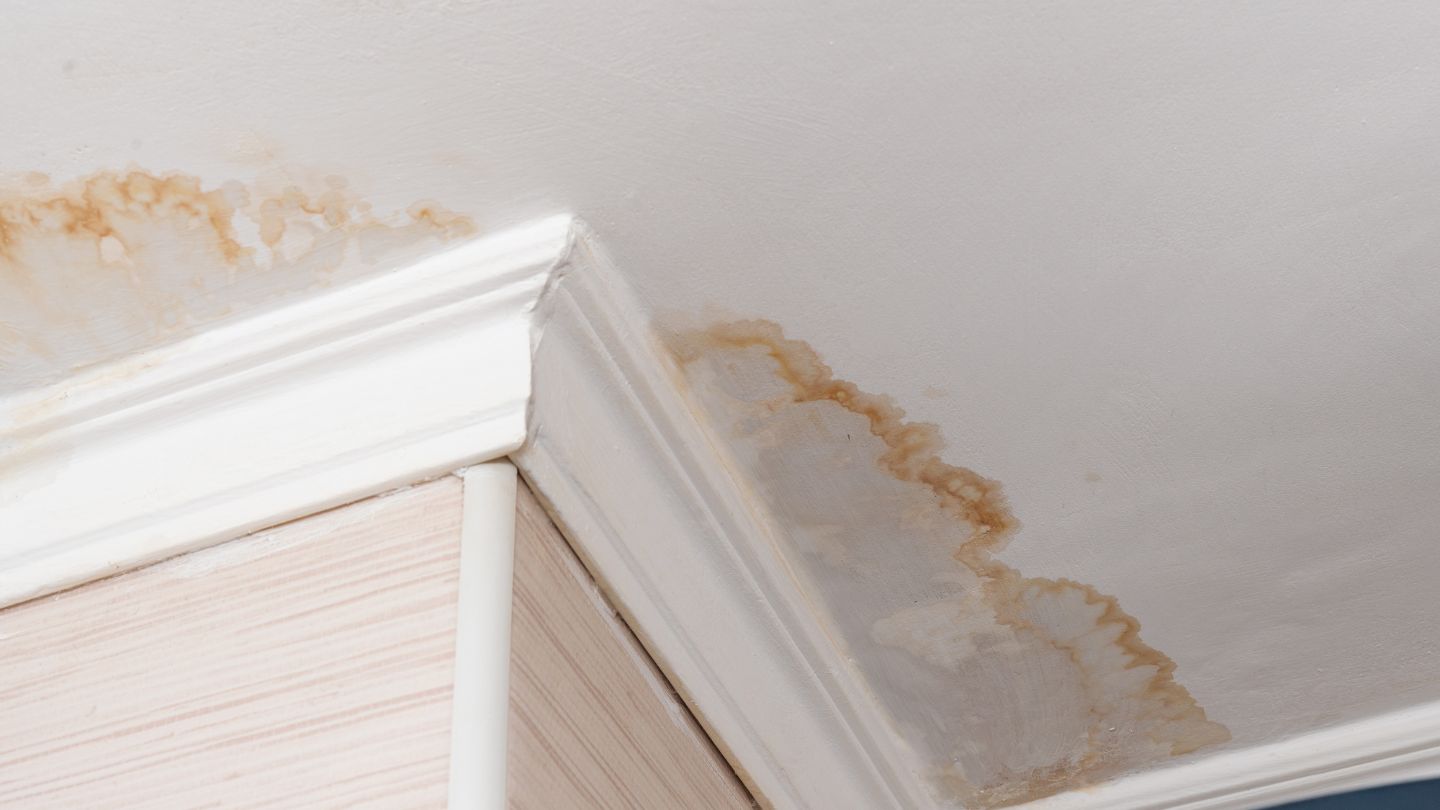
Water damage from burst pipes, appliance failures, roof leaks, or overflow can cause significant structural and personal property loss. Insurers frequently dispute whether the damage was sudden or resulted from a long-term condition, using that distinction to deny or reduce valid claims.


.png)

The situation
What typically happens with water damage claims
Water damage claims are routinely disputed on the grounds that the damage was caused by gradual deterioration, lack of maintenance, or a pre-existing condition rather than a sudden and accidental event. Insurers may send inspectors who look for any sign of prior moisture to justify a denial. Mold that develops as a result of water intrusion may be separately limited or excluded entirely, adding another layer of complexity to an already difficult claim.
The situation
What typically happens with water damage claims
Water damage claims are routinely disputed on the grounds that the damage was caused by gradual deterioration, lack of maintenance, or a pre-existing condition rather than a sudden and accidental event. Insurers may send inspectors who look for any sign of prior moisture to justify a denial. Mold that develops as a result of water intrusion may be separately limited or excluded entirely, adding another layer of complexity to an already difficult claim.

Common obstacles
Why these claims are often disputed
Insurance companies employ experienced adjusters whose role is to limit payouts. Knowing where disputes typically arise gives policyholders a real advantage.
Insurers often argue that water damage resulted from a long-term leak rather than a sudden event, which may fall outside standard coverage.
What to know
The timing and source of the leak are critical. Photographs taken soon after discovery, plumber reports, moisture readings, and repair records can help distinguish a sudden event from long-term seepage.
Policies frequently limit or exclude mold remediation even when the mold resulted directly from a covered water loss.
What to know
Mold coverage limits vary, but the cause and timing of the growth matter. Document when the water event occurred, when mold was discovered, and what mitigation steps were taken after the loss.
The insurer's estimate may exclude hidden damage inside walls, subfloors, or structural components that requires professional assessment to identify.
What to know
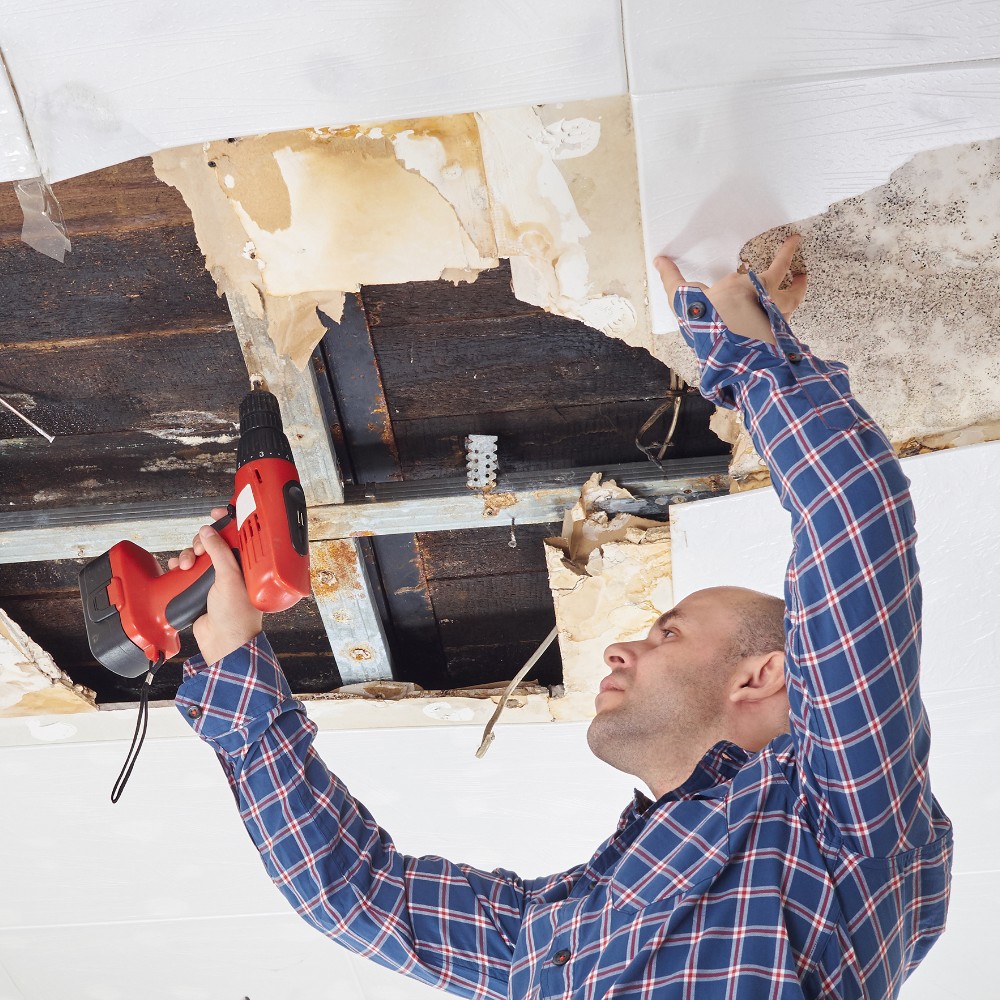
Water can travel behind walls, under flooring, and through structural materials that appear dry from the surface. Moisture mapping and targeted professional inspection can reveal damage omitted from the insurer's estimate.


Analyze the coverage and denial basis
We review your policy language and the insurer's stated reason for denial or reduction to identify challengeable positions.

Coordinate damage documentation
We help ensure that the full scope of water intrusion, including hidden damage and secondary effects, is properly assessed.

Challenge gradual damage determinations
We present the evidence to the insurer and counter attempts to characterize sudden water damage as a long-term condition.

Pursue recovery for the full loss
When the insurer refuses to cover mold, structural damage, contents, or other related losses fairly, we negotiate and pursue legal action as necessary.

Questions
Common questions about water damage claims
These answers are general. Contact us for guidance specific to your situation.
My insurer says the damage was gradual. How do I challenge that?
.svg)
Is mold covered if it resulted from a covered water loss?
The repair estimate from the insurer seems far too low. What can I do?

Types of claims we handle
Every type of property loss, covered.
We handle every type of covered building and personal property loss that may affect your home or business.


Ready to start the process?
Share the basic details of your situation. The firm will review the information and explain the appropriate next steps.

.png)

