

Insurance Claims
Theft & Vandalism
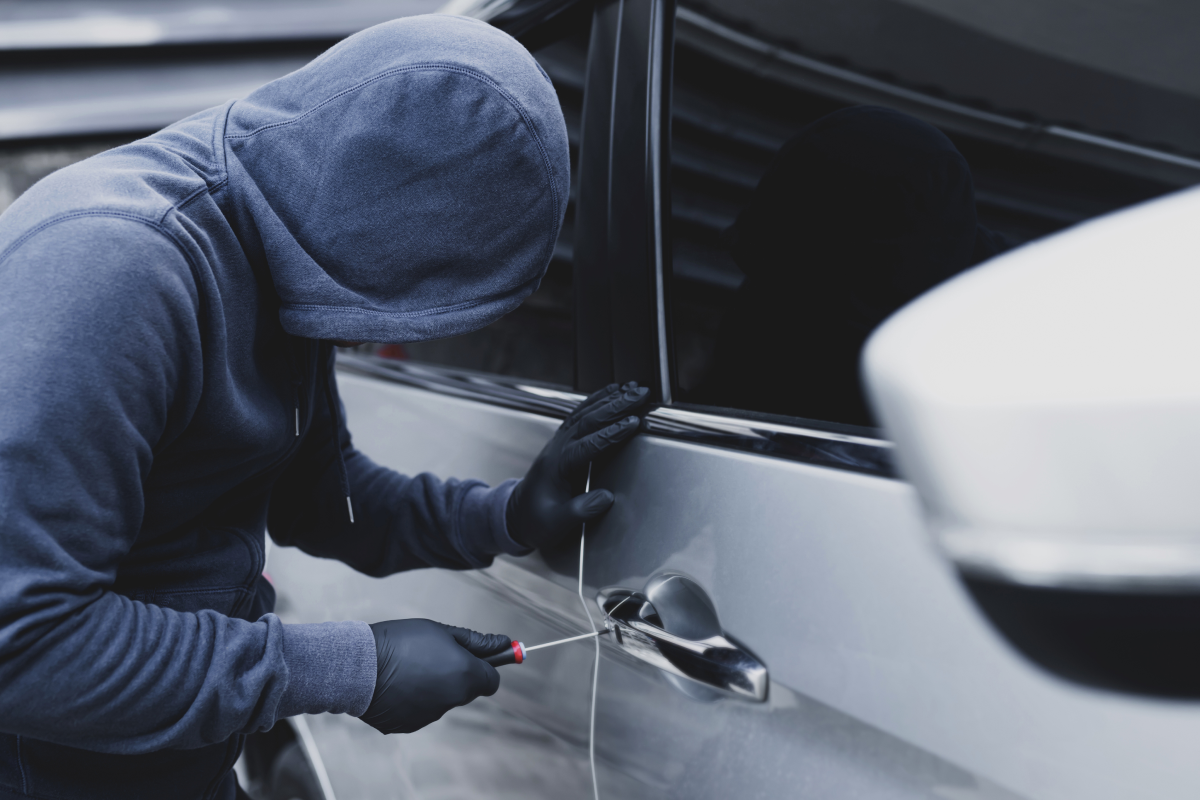
Theft and vandalism claims are frequently disputed through aggressive documentation demands, valuation disputes, and policy exclusions. Insurers may require extensive proof of ownership, apply heavy depreciation to stolen items, or argue that the policyholder failed to take reasonable precautions.


.png)

The situation
What typically happens with theft & vandalism claims
After a theft or act of vandalism, policyholders must typically provide proof that items existed, were owned, and had the value claimed. Insurers often dispute the value of stolen property, argue that certain items are excluded under the policy, or apply deductions that significantly reduce the payout. Vandalism claims may be denied if the insurer argues the property was vacant for too long or that the damage resulted from something other than a deliberate act of destruction.
The situation
What typically happens with theft & vandalism claims
After a theft or act of vandalism, policyholders must typically provide proof that items existed, were owned, and had the value claimed. Insurers often dispute the value of stolen property, argue that certain items are excluded under the policy, or apply deductions that significantly reduce the payout. Vandalism claims may be denied if the insurer argues the property was vacant for too long or that the damage resulted from something other than a deliberate act of destruction.

Common obstacles
Why these claims are often disputed
Insurance companies employ experienced adjusters whose role is to limit payouts. Knowing where disputes typically arise gives policyholders a real advantage.
Insurers require documentation that stolen items existed and were worth what is claimed — a burden that can be difficult to meet after a loss.
What to know
Receipts are helpful but are not the only evidence of ownership. Photographs, videos, credit card statements, emails, manuals, appraisals, warranties, and witness statements can help reconstruct a contents inventory.
Personal property is frequently depreciated to far below replacement cost, and disputes over item values are common.
What to know
Confirm whether the policy pays actual cash value first and replacement cost after items are replaced. Item-level age, condition, quality, and current comparable prices are more useful than a broad unsupported depreciation percentage.
Vandalism claims may be denied if the insurer argues the property was vacant for more than a specified period, invoking a vacancy exclusion.
What to know
Vacancy exclusions depend on the policy definition and the length and nature of the property's use. Calendars, utility records, furnishings, renovations, visits, and security activity can help establish the actual occupancy status.

.png)

Review the coverage and valuation basis
We examine the policy, the insurer's documentation demands, and the method used to value stolen or damaged property.

Document ownership and value
We organize available receipts, photographs, credit card records, and witness statements to support the claimed items and values.

Challenge valuation and exclusion arguments
We communicate with the insurer and dispute improper depreciation, vacancy exclusions, and other positions that reduce or deny the claim.

Pursue full recovery
We negotiate with the insurer and, when necessary, pursue legal action to recover what policyholders are owed.

Questions
Common questions about theft & vandalism claims
These answers are general. Contact us for guidance specific to your situation.
The insurer is asking for receipts for items that were stolen years ago. What can I do?
.svg)
The insurer valued my stolen jewelry at much less than I paid for it. Is that correct?
My vandalism claim was denied because the insurer says the property was vacant. What are my options?

Types of claims we handle
Every type of property loss, covered.
We handle every type of covered building and personal property loss that may affect your home or business.


Ready to start the process?
Share the basic details of your situation. The firm will review the information and explain the appropriate next steps.

.png)

