

Insurance Claims
Hail
Hail claims are among the most frequently underpaid property claims. Insurers rely on their own inspectors to assess damage, and those assessments often fail to capture the full extent of impact to roofing, siding, windows, and HVAC equipment.


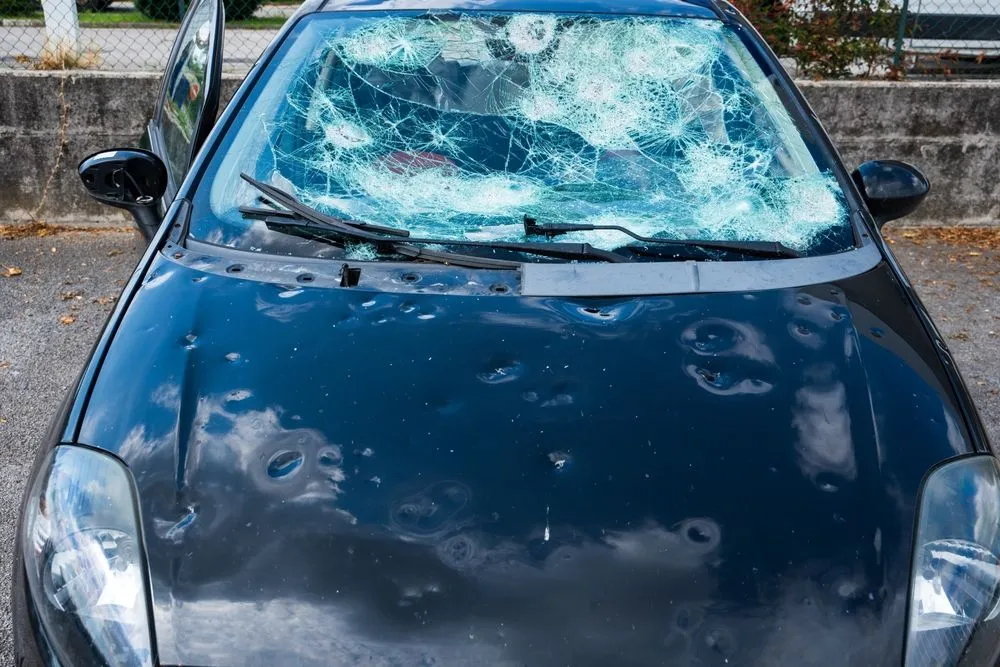
.png)

The situation
What typically happens with hail claims
After a hailstorm, insurance companies send adjusters who may minimize the damage, argue that dents or impacts do not affect the functional integrity of materials, or claim that the roof has reached the end of its useful life. Policyholders frequently receive settlements that do not cover full replacement, or receive denials based on the assertion that the damage is cosmetic rather than functional.
The situation
What typically happens with hail claims
After a hailstorm, insurance companies send adjusters who may minimize the damage, argue that dents or impacts do not affect the functional integrity of materials, or claim that the roof has reached the end of its useful life. Policyholders frequently receive settlements that do not cover full replacement, or receive denials based on the assertion that the damage is cosmetic rather than functional.

Common obstacles
Why these claims are often disputed
Insurance companies employ experienced adjusters whose role is to limit payouts. Knowing where disputes typically arise gives policyholders a real advantage.
Insurers often characterize denting and surface impacts as cosmetic, denying coverage for materials that are in fact compromised by hail.
What to know
A visible dent is not automatically cosmetic. Review the policy for any specific cosmetic-damage exclusion and document whether hail affected the material's performance, watertightness, lifespan, or warranty.
Insurance companies may apply heavy depreciation or argue that pre-existing wear reduces the claim value significantly.
What to know
The age of a roof or exterior component does not by itself prove that storm damage was pre-existing. Maintenance records, pre-loss photographs, and policy terms can help evaluate whether depreciation was applied correctly.
Inspectors may focus on visible roof damage while missing hail impacts to gutters, skylights, HVAC equipment, and exterior surfaces.
What to know
Hail rarely affects only one surface. A complete inspection should consider roofing, flashing, gutters, downspouts, skylights, siding, windows, fencing, and outdoor mechanical equipment.

.png)

Review the insurer's inspection findings
We examine what was assessed, what was excluded, and whether the scope of documented damage reflects the actual loss.

Document all affected components
We work to ensure all hail-damaged roofing, siding, gutters, windows, skylights, and HVAC equipment are included in the claim.

Challenge cosmetic damage determinations
We present the evidence to the insurer and show when hail impacts caused functional damage that warrants full coverage.

Pursue full recovery
We challenge improper depreciation and valuation and pursue legal action when necessary to recover the replacement cost available under the policy.

Questions
Common questions about hail claims
These answers are general. Contact us for guidance specific to your situation.
The adjuster says the damage is only cosmetic. Is that a valid basis for denial?
.svg)
The insurer offered to replace my roof but not my gutters or AC unit. Is that correct?
How long do I have to file a hail damage claim?

Types of claims we handle
Every type of property loss, covered.
We handle every type of covered building and personal property loss that may affect your home or business.


Ready to start the process?
Share the basic details of your situation. The firm will review the information and explain the appropriate next steps.

.png)

