

Insurance Claims
Flood
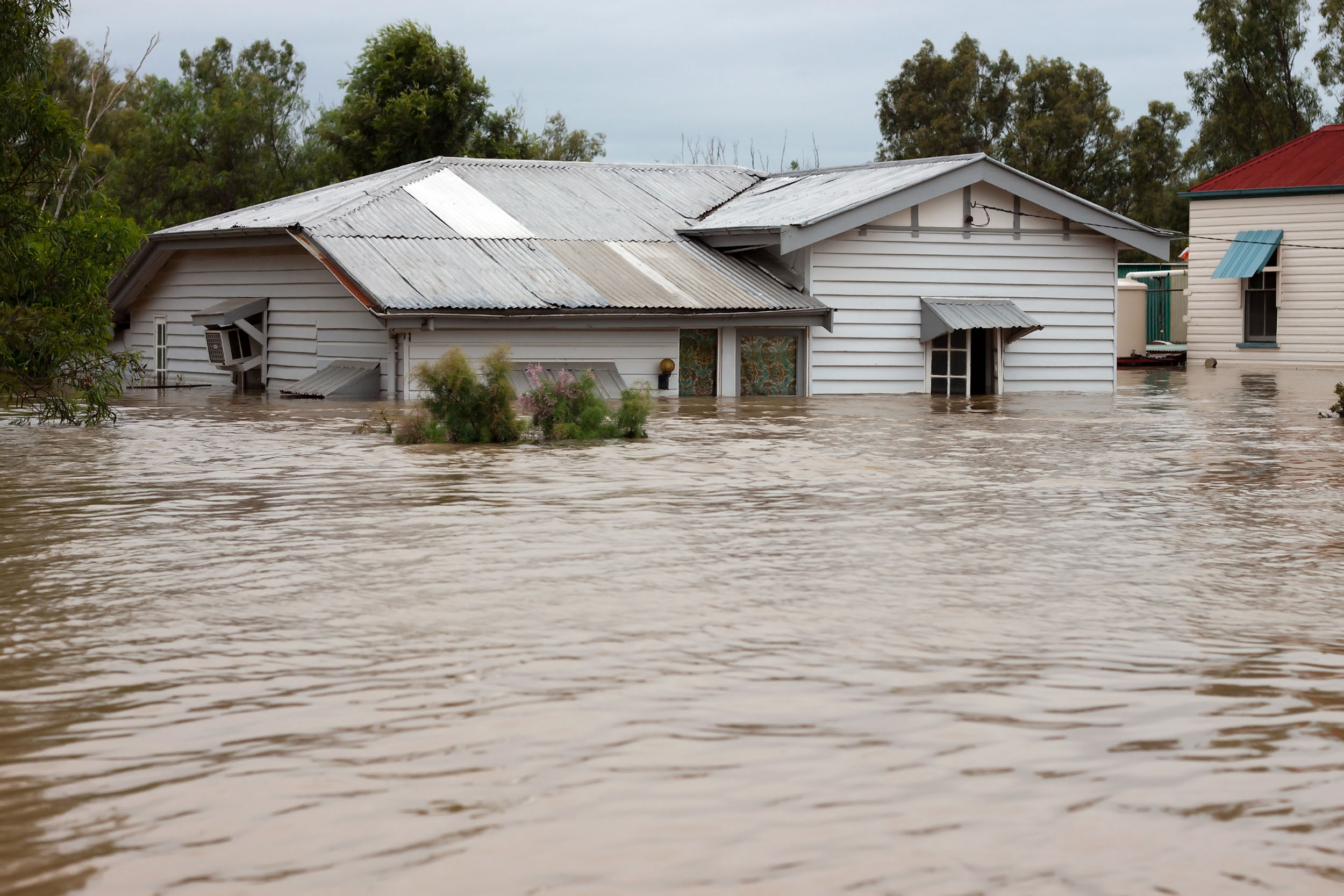
Flood damage can be catastrophic and the claims process notoriously complex. Coverage disputes arise frequently between standard homeowner policies and separate flood policies, leaving policyholders caught in the middle while their property deteriorates.


.png)

The situation
What typically happens with flood claims
Flood claims involve a unique set of coverage questions because standard homeowner policies typically exclude flood damage, which is often covered under a separate NFIP or private flood policy. Insurers may dispute whether damage resulted from flooding or another covered cause such as wind-driven rain, creating coverage gaps that leave policyholders undercompensated. Disputes over the cause of loss, the scope of covered damage, and policy limits are all common in flood claim situations.
The situation
What typically happens with flood claims
Flood claims involve a unique set of coverage questions because standard homeowner policies typically exclude flood damage, which is often covered under a separate NFIP or private flood policy. Insurers may dispute whether damage resulted from flooding or another covered cause such as wind-driven rain, creating coverage gaps that leave policyholders undercompensated. Disputes over the cause of loss, the scope of covered damage, and policy limits are all common in flood claim situations.

Common obstacles
Why these claims are often disputed
Insurance companies employ experienced adjusters whose role is to limit payouts. Knowing where disputes typically arise gives policyholders a real advantage.
Insurers often disagree about whether damage resulted from flooding or another covered peril, pushing responsibility between policies.
What to know
Homeowner, flood, commercial, and excess policies may respond differently to the same event. Review all available policies together before accepting that a loss falls entirely outside coverage.
Wind-driven rain, storm surge, and rising water may be treated differently under different policies, leading to complex attribution disputes.
What to know
Weather data, water lines, damage patterns, and expert findings can help separate wind-driven rain, storm surge, and rising water. The cause assigned to each part of the loss may determine which policy responds.
Flood damage often extends to structural components and systems that are difficult to assess without specialized expertise.
What to know
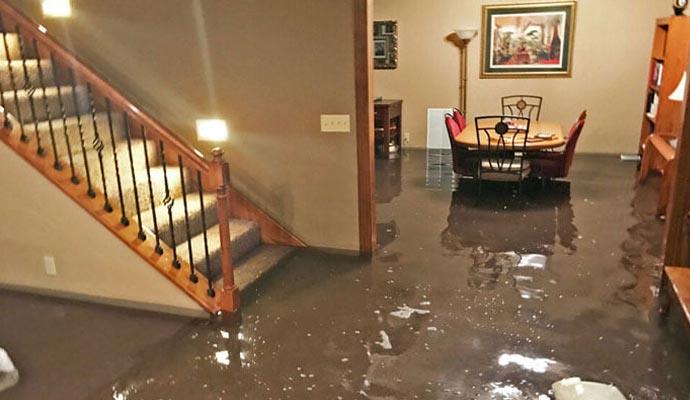
Floodwater can affect foundations, electrical systems, HVAC, insulation, flooring, and contents. A room-by-room inventory and specialized inspection can support a more complete repair and replacement estimate.


Identify all applicable coverage
We review all policies in place — homeowner, flood, and excess — to identify every potential source of recovery.

Document the full extent of damage
We work to ensure that all flood-related damage is identified and included in the claim.

Address cause of loss disputes
We present the evidence to the insurer and counter improper determinations that shift covered loss to excluded categories.

Pursue litigation when warranted
When insurers fail to honor valid flood claims, we prepare and pursue legal action on behalf of policyholders.

Questions
Common questions about flood claims
These answers are general. Contact us for guidance specific to your situation.
My homeowner policy denied my flood claim. Do I have any other options?
.svg)
The insurer says the damage was from flooding, but my neighbor got covered under their homeowner policy. Why?
Can I dispute what my flood insurer paid?

Types of claims we handle
Every type of property loss, covered.
We handle every type of covered building and personal property loss that may affect your home or business.


Ready to start the process?
Share the basic details of your situation. The firm will review the information and explain the appropriate next steps.

.png)

