

Insurance Claims
Hurricane
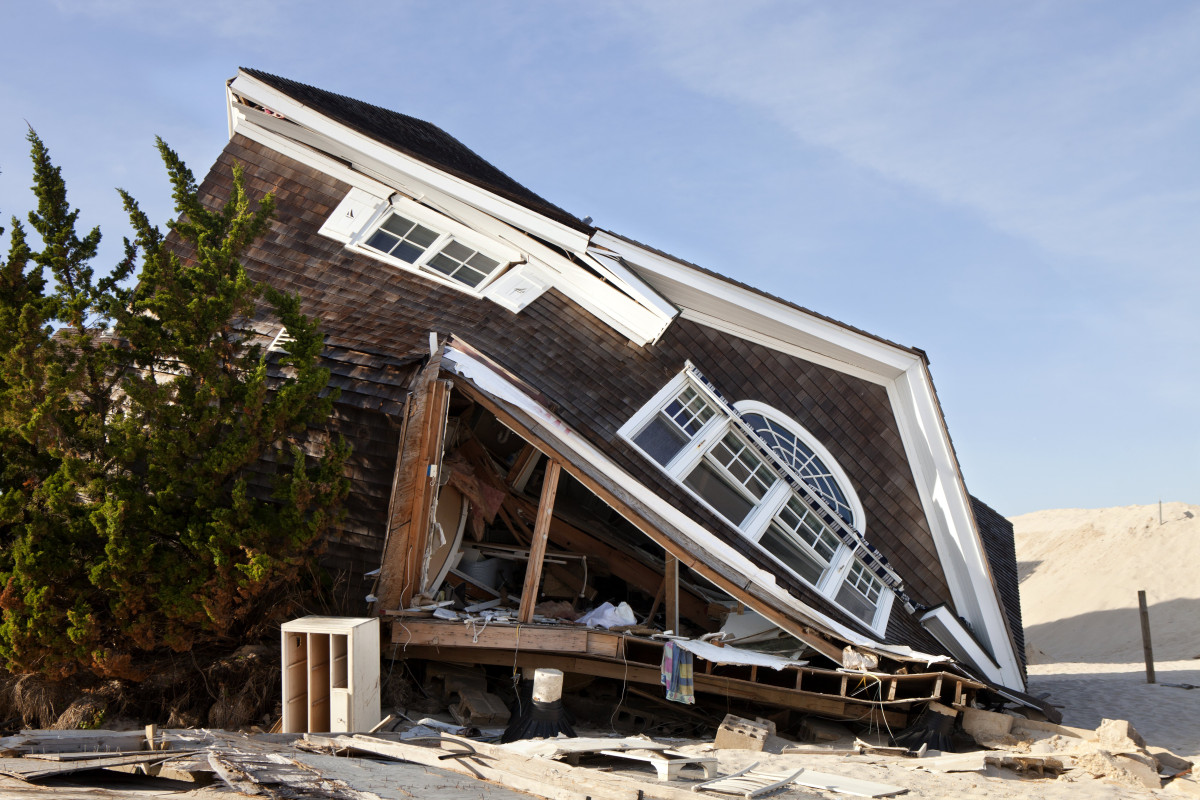
Hurricane claims involve overlapping causes of loss — wind, rain, storm surge, and flooding — each of which may be covered differently under separate policies. Navigating these overlapping coverages while dealing with the aftermath of a major storm is one of the most complex challenges policyholders face.


.png)

The situation
What typically happens with hurricane claims
After a hurricane, insurers frequently dispute which policy covers which damage. Wind and rain damage is typically covered by a homeowner or commercial property policy, while storm surge and flooding may fall under a separate flood policy. Insurers may argue that damage was caused by flooding rather than wind to shift coverage to the flood policy, or vice versa, leaving policyholders without adequate payment from either. Hurricane deductibles — which can be a percentage of the insured value rather than a flat amount — further reduce what policyholders receive.
The situation
What typically happens with hurricane claims
After a hurricane, insurers frequently dispute which policy covers which damage. Wind and rain damage is typically covered by a homeowner or commercial property policy, while storm surge and flooding may fall under a separate flood policy. Insurers may argue that damage was caused by flooding rather than wind to shift coverage to the flood policy, or vice versa, leaving policyholders without adequate payment from either. Hurricane deductibles — which can be a percentage of the insured value rather than a flat amount — further reduce what policyholders receive.

Common obstacles
Why these claims are often disputed
Insurance companies employ experienced adjusters whose role is to limit payouts. Knowing where disputes typically arise gives policyholders a real advantage.
Insurers routinely dispute whether hurricane damage was caused by wind or water, which may determine which policy responds and at what amount.
What to know
Hurricane damage can develop in a sequence rather than from a single cause. Photographs, weather records, structural damage patterns, and expert analysis can help distinguish wind-created openings from storm surge or rising water.
Percentage-based deductibles in hurricane-prone areas can represent tens of thousands of dollars, and must be applied correctly under the policy.
What to know
Percentage deductibles are usually calculated from a stated coverage amount, not simply from the repair estimate. Check the policy trigger, percentage, coverage basis, and the insurer's arithmetic before accepting the deduction.
Coordinating coverage across homeowner, flood, and excess policies while managing insurers who each want to minimize their exposure is a significant challenge.
What to know
Notify every potentially applicable insurer promptly and keep the facts, inventories, and damage documentation consistent across claims. Coordinated submissions reduce gaps created when carriers point responsibility at one another.


Review all applicable policies
We examine every policy and deductible provision to identify all available sources of recovery for hurricane-related losses.

Document the complete hurricane loss
We organize the evidence showing how wind, rain, storm surge, and flooding affected the property under each applicable policy.

Challenge wind vs. water determinations
We present the evidence to the insurers and challenge improper cause-of-loss findings that shift covered damage to excluded categories.

Litigate when necessary
When insurers fail to meet their obligations following a hurricane, we pursue legal action to recover what policyholders are owed.

Questions
Common questions about hurricane claims
These answers are general. Contact us for guidance specific to your situation.
My insurer says the damage was from storm surge, not wind. Does that matter?
.svg)
What is a hurricane deductible and how is it calculated?
I have both a homeowner policy and a flood policy. Why am I still not being fully compensated?

Types of claims we handle
Every type of property loss, covered.
We handle every type of covered building and personal property loss that may affect your home or business.


Ready to start the process?
Share the basic details of your situation. The firm will review the information and explain the appropriate next steps.

.png)

