

Insurance Claims
Earthquake
Earthquake damage claims involve specialized coverage that is separate from standard property policies. Disputes frequently arise over the scope of structural damage, the application of high percentage deductibles, and whether observed damage was caused by the seismic event or pre-existing conditions.



The situation
What typically happens with earthquake claims
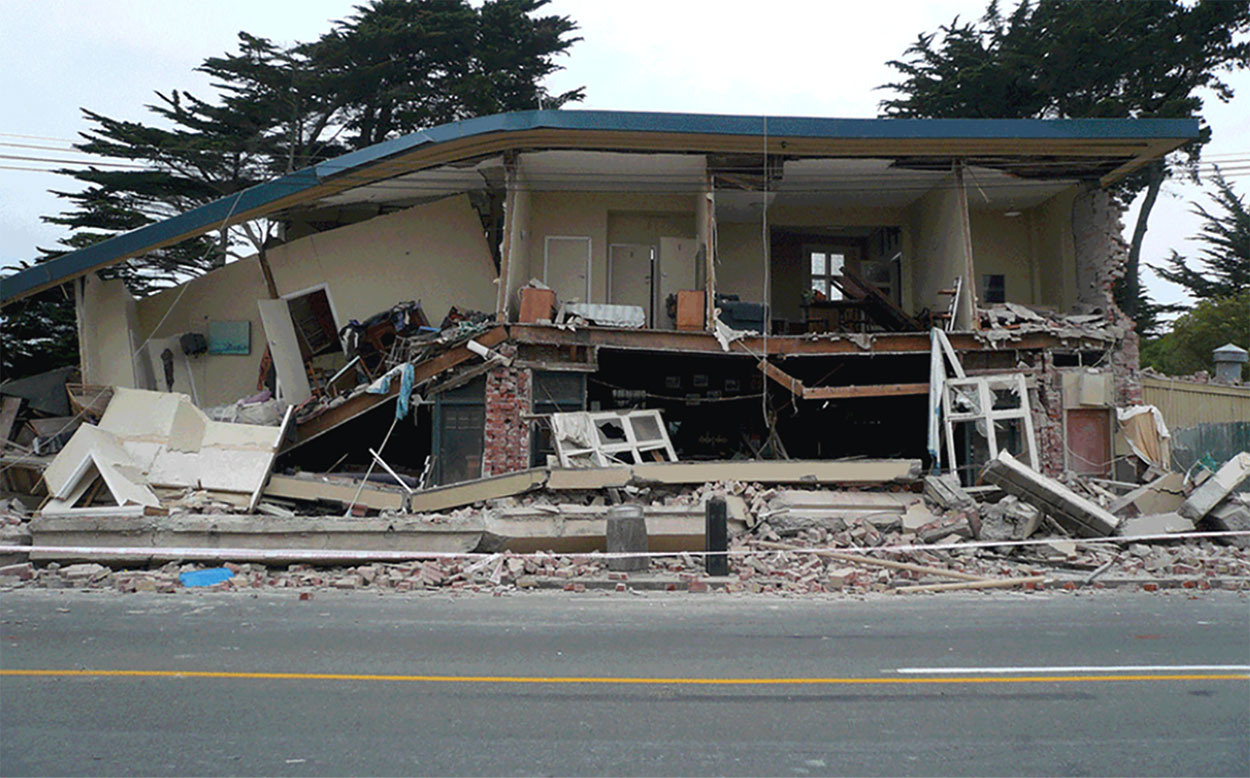
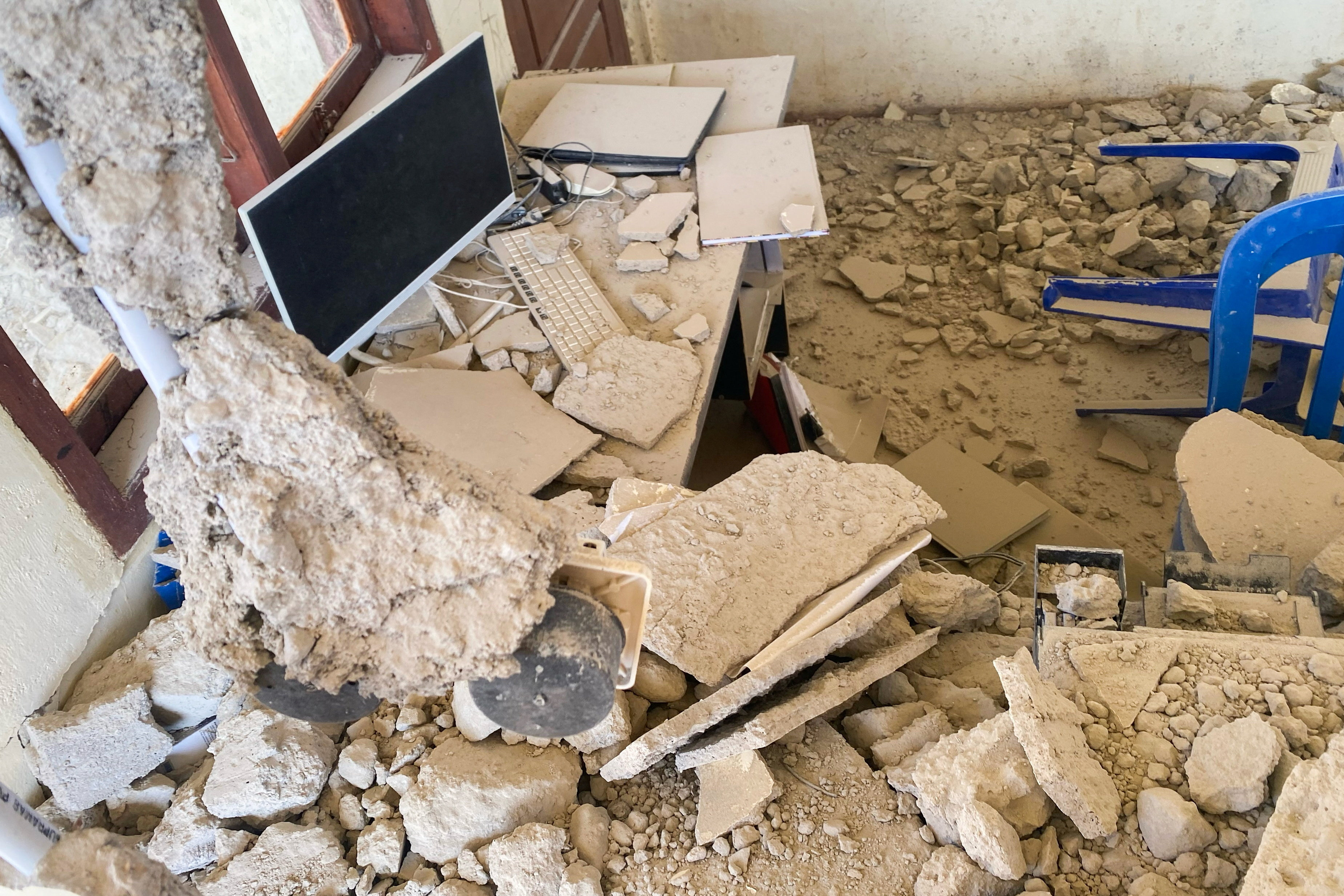
Earthquake insurance typically carries high deductibles — often 10 to 25 percent of the dwelling coverage — and covers only damage directly caused by ground movement. Insurers may dispute whether cracking, settling, or structural damage was caused by the earthquake or by pre-existing soil conditions, normal settlement, or deferred maintenance. The scope of covered damage is frequently contested, with insurers excluding damage they attribute to causes other than the seismic event itself.
The situation
What typically happens with earthquake claims
Earthquake insurance typically carries high deductibles — often 10 to 25 percent of the dwelling coverage — and covers only damage directly caused by ground movement. Insurers may dispute whether cracking, settling, or structural damage was caused by the earthquake or by pre-existing soil conditions, normal settlement, or deferred maintenance. The scope of covered damage is frequently contested, with insurers excluding damage they attribute to causes other than the seismic event itself.

Common obstacles
Why these claims are often disputed
Insurance companies employ experienced adjusters whose role is to limit payouts. Knowing where disputes typically arise gives policyholders a real advantage.
Earthquake deductibles are often a percentage of the insured value rather than a flat amount, which can be substantial and must be applied correctly.
What to know
Earthquake deductibles may apply separately to dwelling, contents, or other coverage sections. Verify the insured amount, percentage, and calculation for each affected category before assuming the insurer's figure is correct.
Insurers often attribute cracking and structural damage to settlement or deferred maintenance rather than the earthquake, reducing or eliminating the payout.
What to know
Pre-loss photographs, prior inspection reports, permits, repair history, and engineering analysis can help distinguish earthquake damage from ordinary settlement, soil movement, or deferred maintenance.
Determining which damage was caused by the seismic event versus other factors often requires expert analysis that insurers may resist.
What to know
Seismic damage can include conditions that are not obvious during a visual walk-through. Prompt photographs, measurements, and a qualified structural assessment can help connect cracking, displacement, and system damage to the event.


Review earthquake coverage and deductibles
We analyze the earthquake policy, percentage deductible, and exclusions to identify what coverage should apply.

Document earthquake-caused damage
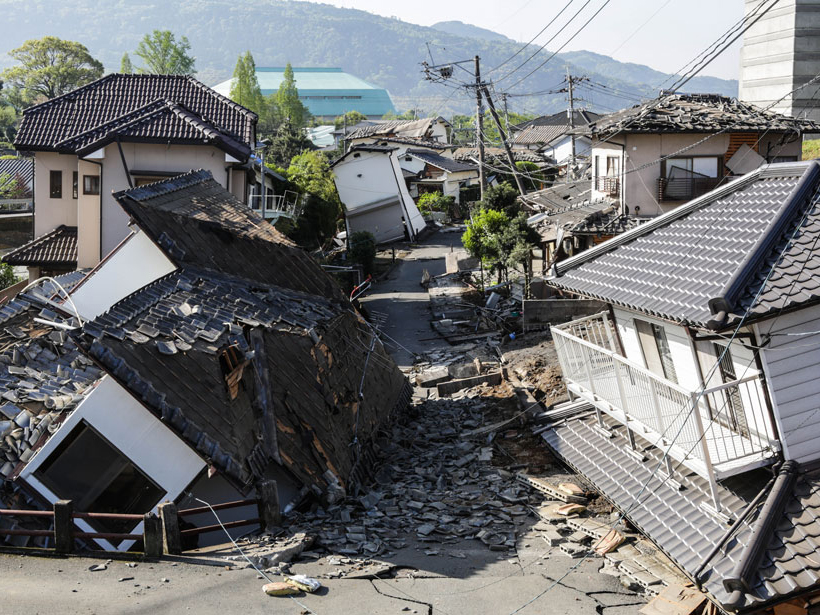
We work with experts to document the structural damage, cracking, settling, and other conditions caused by the seismic event.

Challenge pre-existing condition determinations
We present the evidence to the insurer and counter attempts to attribute earthquake damage to prior soil conditions, settlement, or maintenance.

Pursue the full scope of recovery
We negotiate and litigate to ensure all earthquake-caused damage is included in the covered claim.

Questions
Common questions about earthquake claims
These answers are general. Contact us for guidance specific to your situation.
My standard homeowner policy denied my earthquake damage claim. What do I do?
.svg)
The earthquake deductible seems very high. Is it calculated correctly?
The insurer says my cracked foundation pre-existed the earthquake. How do I challenge that?

Types of claims we handle
Every type of property loss, covered.
We handle every type of covered building and personal property loss that may affect your home or business.


Ready to start the process?
Share the basic details of your situation. The firm will review the information and explain the appropriate next steps.

.png)

