

Insurance Claims
Mold
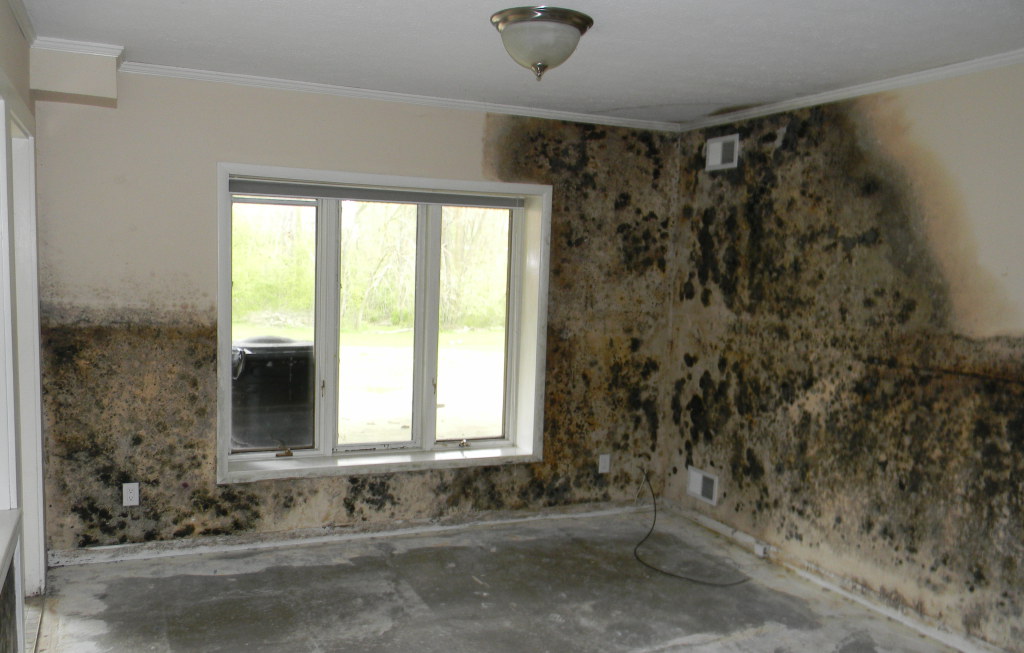
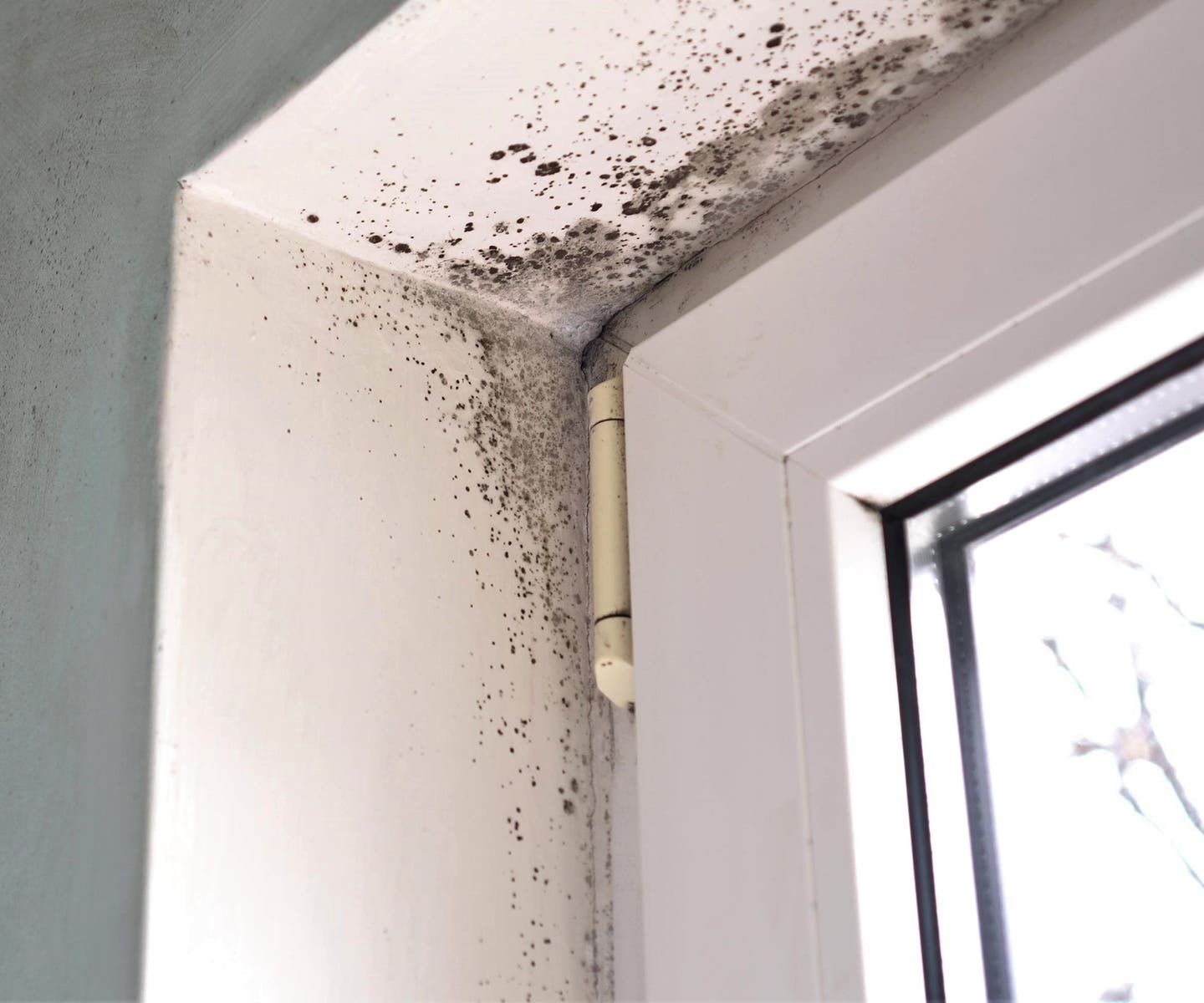
Mold damage is one of the most frequently disputed categories of property claims. While mold resulting from a covered water loss may be covered, insurers routinely apply policy sublimits, argue that mold resulted from long-term conditions, or deny coverage entirely under broad mold exclusions.



The situation
What typically happens with mold claims
Most standard property policies either exclude mold entirely or cover it only up to a specified sublimit that may be far less than the actual remediation cost. When mold results from a covered water loss — such as a burst pipe or roof leak — there may be grounds to include mold remediation as part of the primary claim rather than subject it to a separate limit. Insurers frequently dispute the origin of mold growth, arguing it predated the covered loss or resulted from chronic moisture rather than a discrete event.
The situation
What typically happens with mold claims
Most standard property policies either exclude mold entirely or cover it only up to a specified sublimit that may be far less than the actual remediation cost. When mold results from a covered water loss — such as a burst pipe or roof leak — there may be grounds to include mold remediation as part of the primary claim rather than subject it to a separate limit. Insurers frequently dispute the origin of mold growth, arguing it predated the covered loss or resulted from chronic moisture rather than a discrete event.

Common obstacles
Why these claims are often disputed
Insurance companies employ experienced adjusters whose role is to limit payouts. Knowing where disputes typically arise gives policyholders a real advantage.
Many policies cap mold coverage at amounts that are insufficient to cover the full cost of professional remediation and reconstruction.
What to know
Read the mold limitation together with the provisions covering the original water loss. The way remediation, tear-out, testing, and reconstruction are categorized can materially change how a sublimit is applied.
Insurers often argue that mold resulted from long-term moisture conditions or pre-existing issues rather than the covered water event.
What to know
A clear moisture timeline is essential. Leak reports, mitigation records, photographs, environmental testing, and prior maintenance documents can help show whether mold followed the covered event or existed beforehand.
The extent of mold spread — including hidden growth in walls, subfloors, and HVAC systems — is frequently underestimated by insurer-retained inspectors.
What to know
Visible mold may represent only part of the contamination. Professional assessment may need to address concealed wall cavities, subfloors, insulation, contents, and HVAC pathways before a complete remediation scope can be established.

.png)

Establish the connection to a covered loss
We analyze the timeline and evidence to show that mold resulted directly from a covered water event, which may affect how coverage limits apply.

Document the full scope of contamination
We work to ensure that all affected areas, including hidden growth, are identified and included in the claim.

Challenge sublimit application
We communicate with the insurer about whether the mold sublimit should apply or whether remediation belongs within the broader covered loss.

Pursue recovery through all available means
We negotiate with insurers and pursue litigation when necessary to recover the full cost of mold remediation.

Questions
Common questions about mold claims
These answers are general. Contact us for guidance specific to your situation.
My policy has a $10,000 mold limit but the remediation costs $60,000. Are my options limited to the sublimit?
.svg)
The insurer says the mold was pre-existing. How do I challenge that?
Does mold coverage apply if the water damage was covered?

Types of claims we handle
Every type of property loss, covered.
We handle every type of covered building and personal property loss that may affect your home or business.


Ready to start the process?
Share the basic details of your situation. The firm will review the information and explain the appropriate next steps.

.png)

